Does Nail Polish Shield Your Nails? Unveiling the Polish Paradox

Nail Myths Busted for a Perfect Mani
January 24, 2026
Pedicures for Men: Opening Up About Essential Foot Care
January 24, 2026Does Nail Polish Shield Your Nails? Unveiling the Polish Paradox
A close-up of colorful nail polish bottles arranged artistically.
Many often question whether nail polish is beneficial or detrimental to nail health. Some think it serves as a barrier against harm, while others worry it may lead to nail weakness. The reality is more complex than it appears.
At our local salon, we prioritize educating clients about how nail polish impacts their nails. Here is essential information on the protective qualities of nail polish and the best practices.
Nail Polish as a Protective Layer
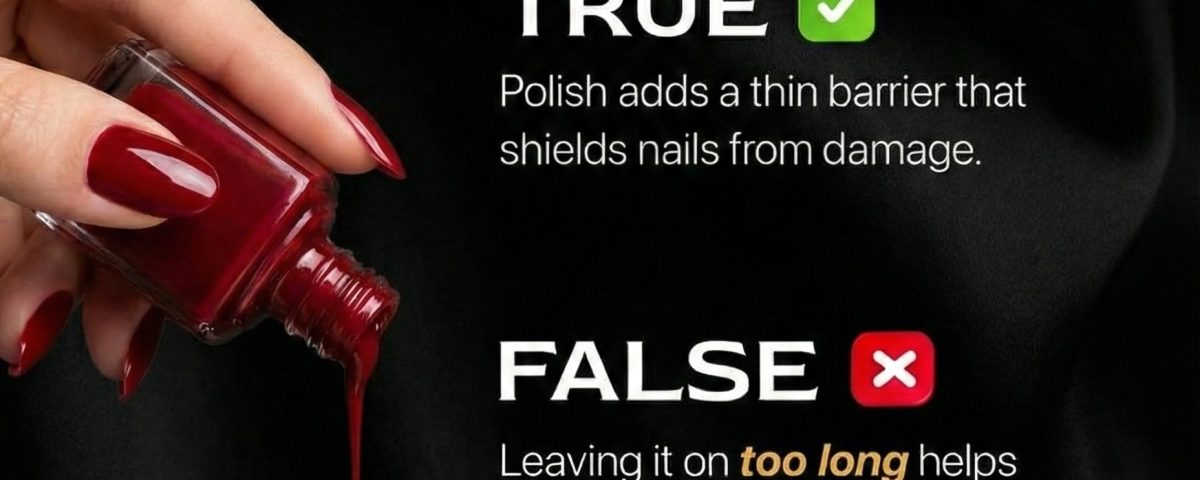
Applying nail polish creates a thin, protective covering. When used correctly, it protects nails from minor abrasions, environmental stress, and moisture loss.
1. Protective Coating
Nail polish forms a resilient shield over the nail plate, helping to prevent scratches, minor bumps, and daily wear. It also minimizes friction from tasks like typing or cleaning that can gradually wear down unpolished nails.
2. Minimizing Water Absorption
Nails naturally absorb water, causing expansion and contraction. This repeated process weakens their structure over time. Polish creates a seal, limiting water penetration and keeping nails more consistent.
3. Decreasing Snagging and Breaks
A polished nail surface is smoother, making it less likely to snag on fabrics or surfaces. This protection can reduce splitting and breaking.
4. Sealing in Natural Oils
Nail polish helps retain the natural oils within the nail, supporting flexibility and reducing the risk of cracks or peeling.
Misconceptions About Prolonged Polish Wear
Some assume that keeping nail polish on for extended periods promotes faster growth and stronger nails, but this belief is not accurate.
1. Trapping Moisture and Germs
Worn polish can seal in moisture between the nail and the coating. Such environments encourage the growth of bacteria and fungi, leading to possible discoloration, infections, or weaker nails.
2. Concealing Underlying Issues
When polish remains on too long, changes such as discoloration or infection may go undetected, potentially worsening conditions before they are noticed.
3. Nail Staining
Dark or heavily pigmented colors, especially without a base coat, can stain nails if left on too long. The risk of staining increases the longer the polish remains.
4. Cumulative Weakness
Though polish initially protects, leaving it on for weeks at a time without removal can cause nail brittleness. Nails need time clear of products to remain resilient.
Proper Polish Use for Nail Health
To reap the benefits of nail polish while minimizing downsides, consider these steps:
1. Use a Base Coat
A base coat serves as a barrier against stains and provides a smooth surface. It helps extend polish wear and enhances appearance, making it an essential first step.
2. Refresh Nail Color Regularly
Change your polish every 7 to 14 days. For gel types, removal every 2 to 3 weeks is recommended. Regular changes prevent buildup, allow for nail inspection, and maintain a polished look.
3. Schedule Nail Breaks
Periodically going without polish—especially if nails appear discolored or brittle—allows them to recover and dry fully. During breaks, focus on moisturizing.
4. Remove Polish Gently
Opt for acetone-free removers when possible, and avoid forceful scraping. For gel varieties, soaking or professional removal prevents nail plate damage.
5. Hydrate Nails and Cuticles
Applying cuticle oil daily retains moisture in the nails, keeping them healthy and flexible underneath the polish.
Warning Signs of Nail Damage
Be vigilant for the following symptoms:
- Yellowing or discoloration
- Nails feeling dry or thin
- Frequent appearance of white spots or ridges
- Peeling or flaking easily
- Increased breakage while wearing polish
If any of these occur, pause your polish routine and focus on gentle restoration and moisture until nails recover.
Protect Your Nails With Professional Care
Consistent polish application and proper maintenance can shield nails effectively. Refresh polish regularly and follow recommended care steps to promote long-term nail health.
📞 Call to book: (410) 923-2652
📍 Location: 331 Gambrills Rd STE 6 & 7, Gambrills, MD 21054
You can expect healthy and protected nails with care from Manitoes Gambrills.